Continuity Tester for Accurate Electrical Circuit Testing

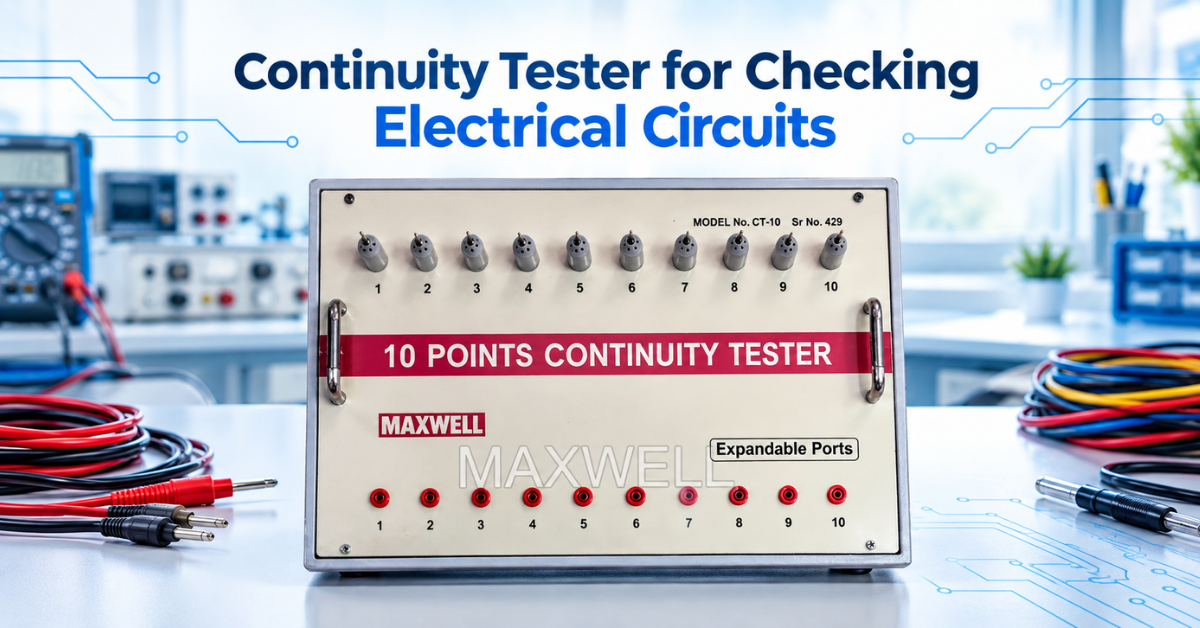
Continuity Tester for Checking Electrical Circuits

Here’s a basic question that matters more than people realize: before any wire or cable gets trusted to carry current, is the path actually complete? That’s the whole point of a continuity tester. No guessing, no opening things up to look — just a quick check that tells you yes [...]
Read More
How Does a Compression Testing Machine Work?

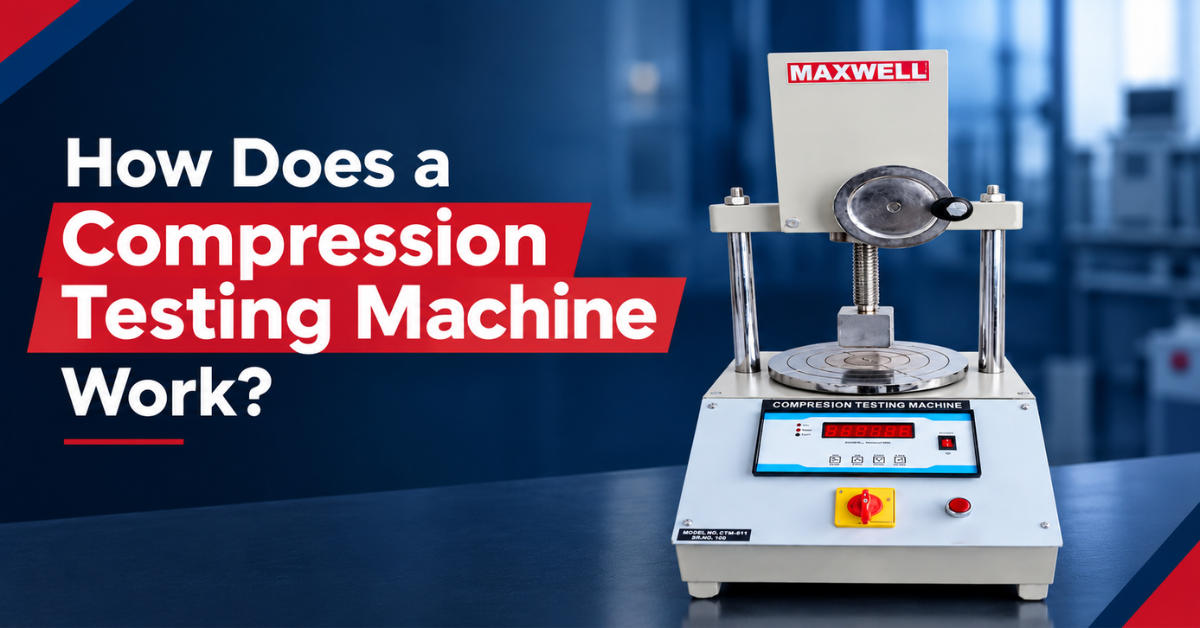
How Does a Compression Testing Machine Work?

Not every material fails the same way. Some stretch and eventually snap under tension. Others do the opposite — they get squeezed, and at some point they crush, buckle, or lose their shape entirely. Figuring out exactly how much force a material or component can take before that happens is [...]

Read More
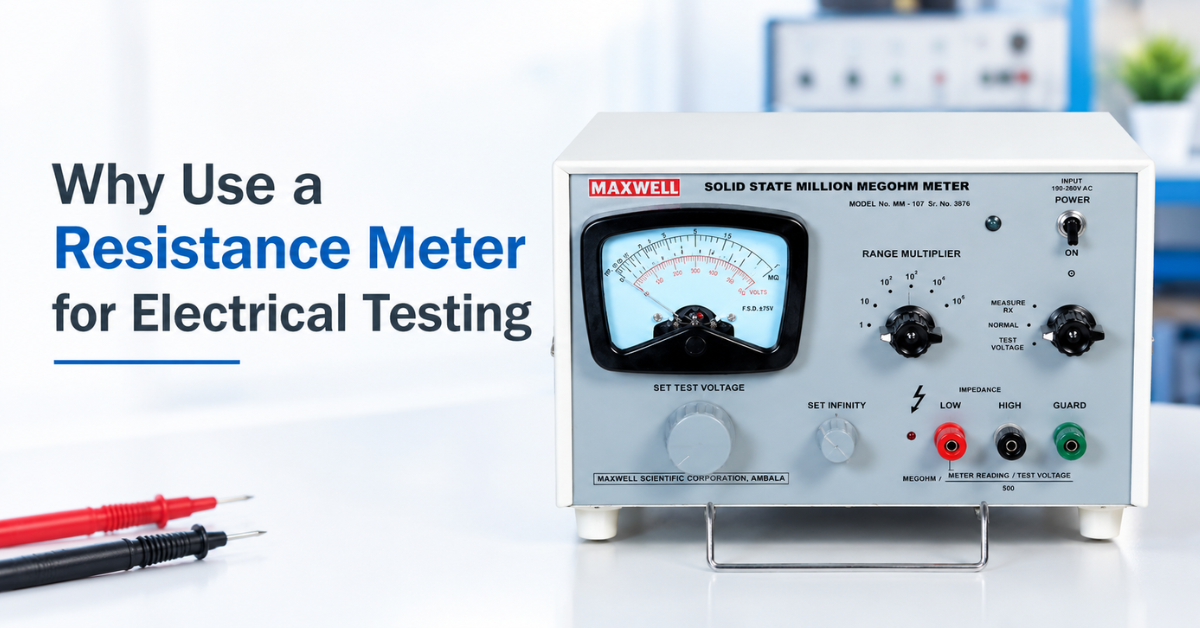
Why Use a Resistance Meter for Electrical Testing

Why Use a Resistance Meter for Electrical Testing

Resistance is one of those electrical properties that sounds simple but tells you an enormous amount about a component’s health. A conductor with unexpectedly high resistance is a conductor that’s about to cause problems — whether that’s excess heat, voltage drop, or outright failure. This is exactly why a resistance [...]

Read More
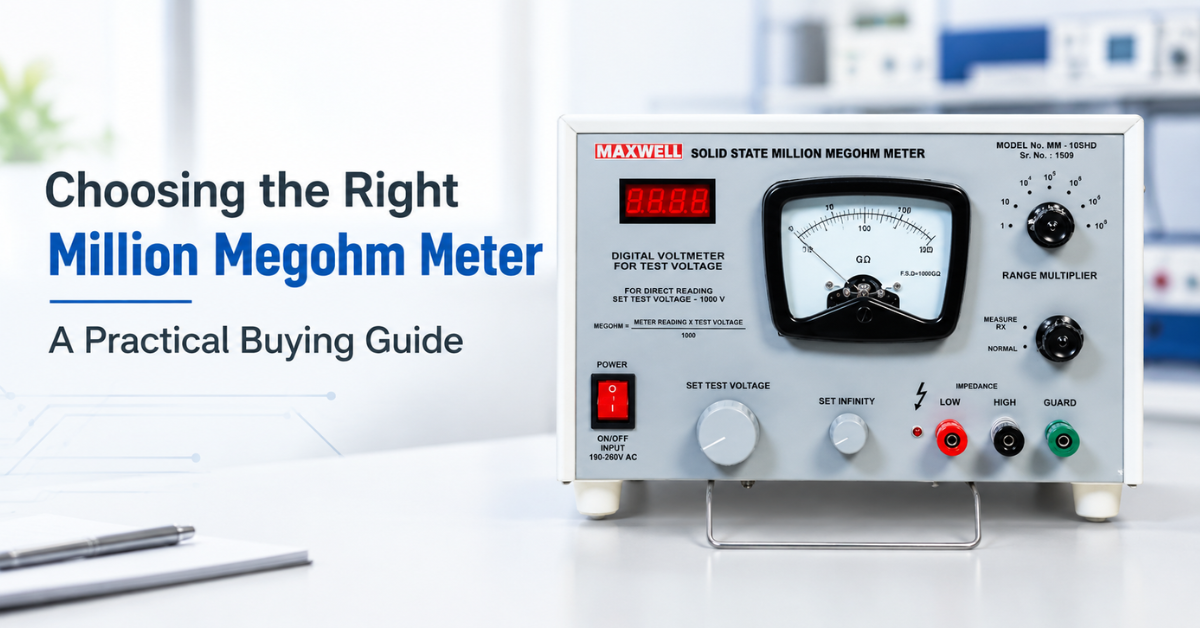
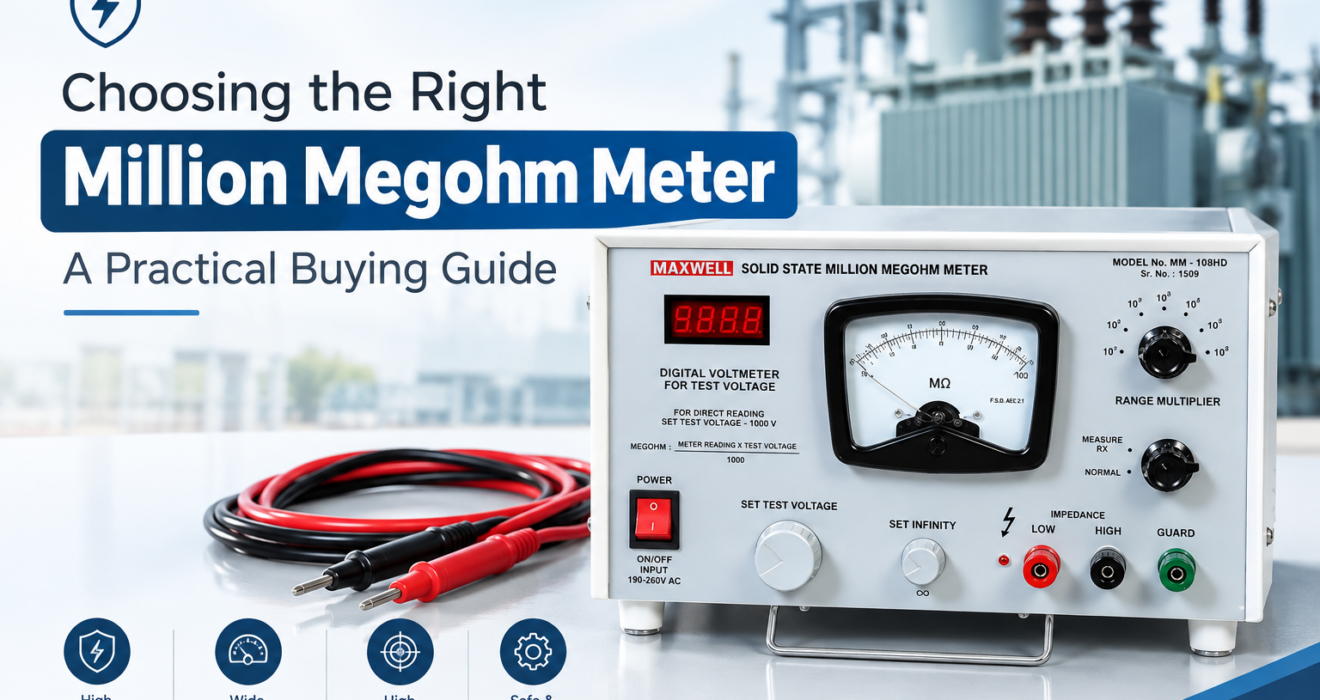
Choosing the Right Million Megohm Meter A Practical Buying Guide

Choosing the Right Million Megohm Meter: A Practical Buying Guide

Insulation failure rarely gives much warning. A cable, transformer, or motor winding can look perfectly fine on the outside while the insulation underneath has quietly degraded to a point where it’s about to fail. The only reliable way to catch this before it becomes a real problem is by measuring [...]

Read More
Cable Testing Lab Setup as per IS 694 Standards

Cable Testing Lab Setup as per IS 694 Standards

Setting up a cable testing lab isn’t just about buying a few instruments and putting them on a bench — it’s about assembling the right combination of equipment to verify every property a cable standard actually demands, from insulation resistance to dielectric strength to conductor resistance. For manufacturers and testing [...]

Read More
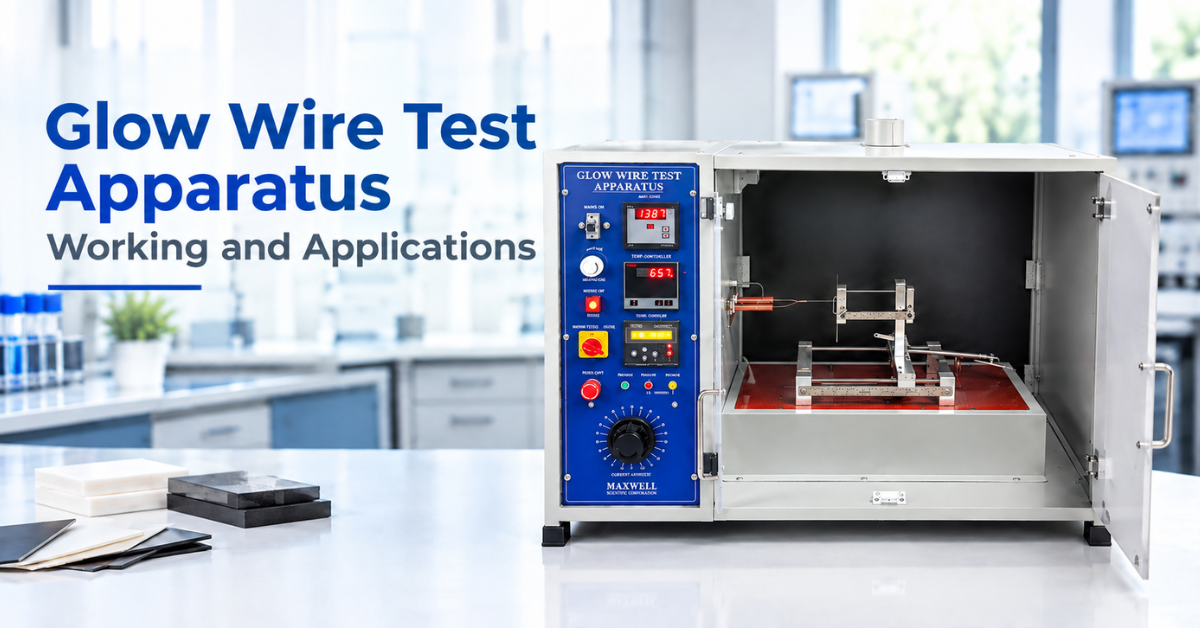
Glow Wire Test Apparatus

Glow Wire Test Apparatus Working and Applications

An electrical fault rarely announces itself with a bang. More often, it starts as heat — a stressed connection, an overloaded track, a component running hotter than it should — sitting right next to a plastic housing that was never meant to handle that kind of temperature. Whether that plastic [...]

Read More
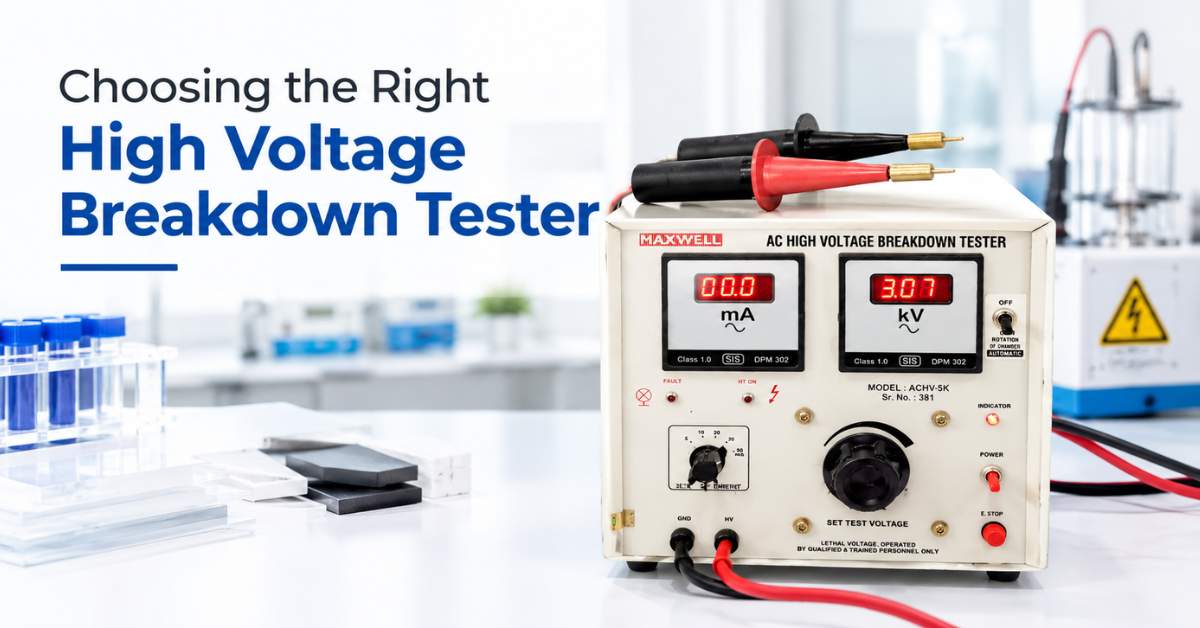
Choosing the Right High Voltage Breakdown Tester

Choosing the Right High Voltage Breakdown Tester

Insulation is only ever as good as its ability to actually hold up under stress — and there’s really only one way to know how much stress it can take: push it until it fails. That’s the whole job of a high voltage breakdown tester. It applies rising voltage to [...]

Read More
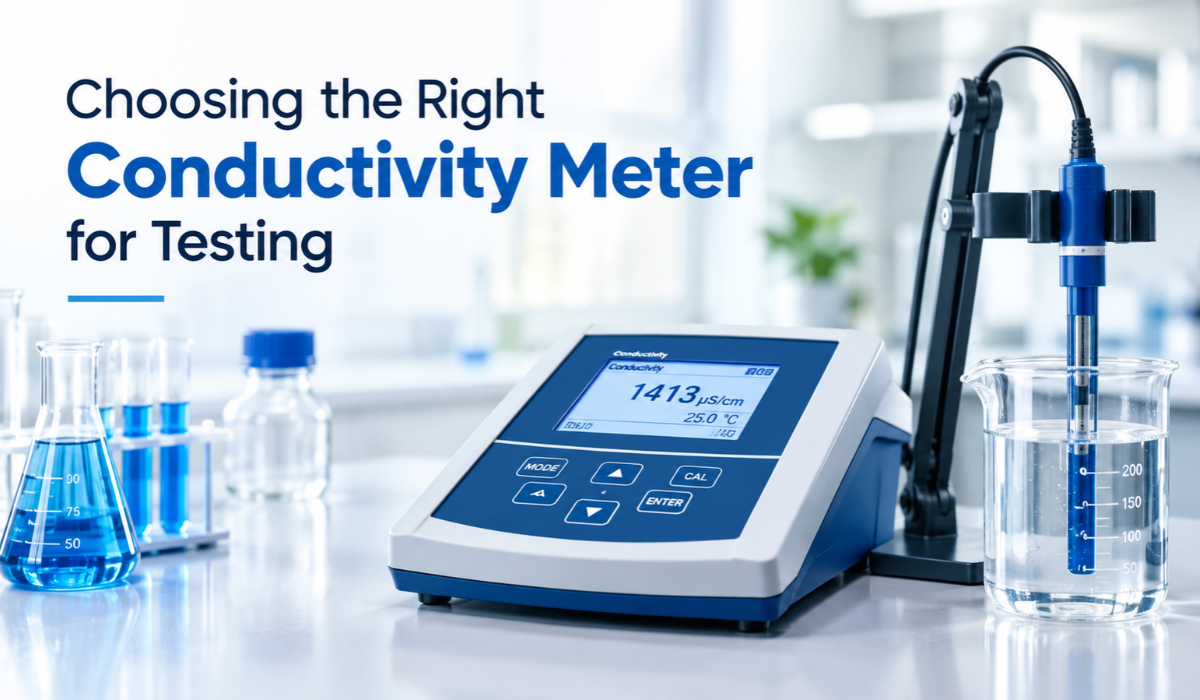
Choosing the Right Conductivity Meter for Testing

Choosing the Right Conductivity Meter for Testing

Copper and aluminium conductors are only as good as their purity allows them to be. A conductor that looks fine, has the right dimensions, and passes a basic continuity check can still underperform electrically if its conductivity falls short of what’s expected. Catching this requires more than a simple resistance [...]

Read More
Million Megohm Meter

Choosing the Right Million Megohm Meter: A Practical Buying Guide

Insulation failure rarely gives much warning. A cable, transformer, or motor winding can look perfectly fine on the outside while the insulation underneath has quietly degraded to a point where it’s about to fail. The only reliable way to catch this before it becomes a real problem is by measuring [...]

Read More

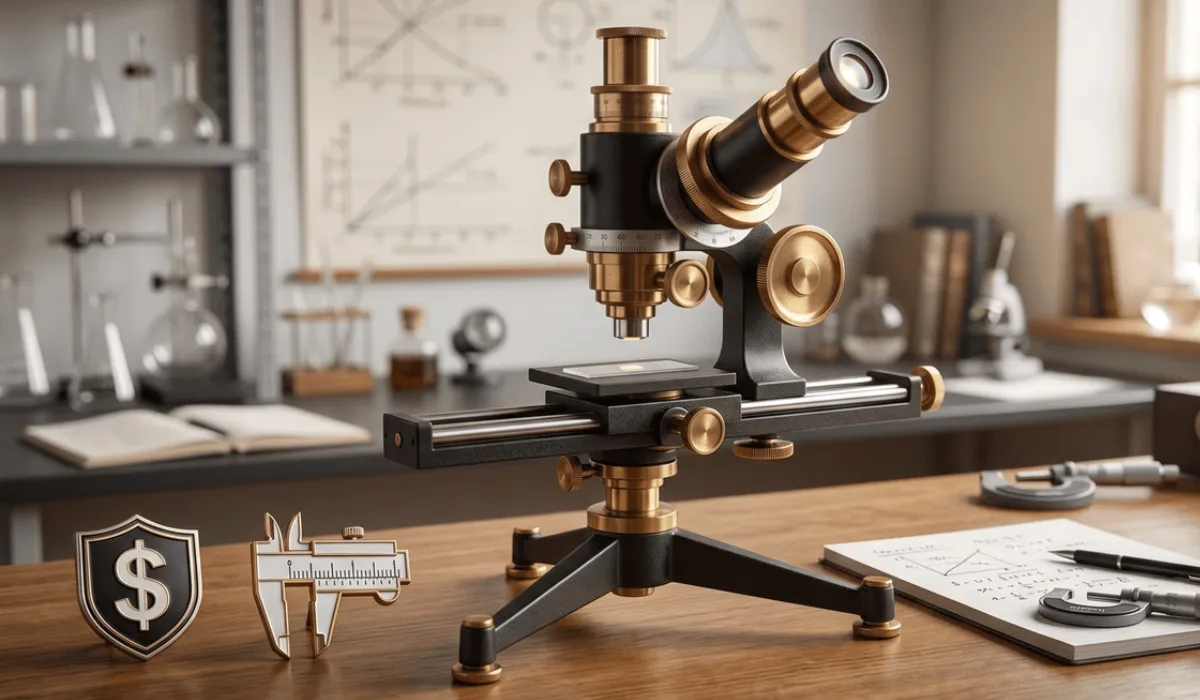
Travelling Microscope

Ensure sub-milli meter accuracy, travelling microscope remains one of the most reliable optical measurement instruments for all QC labs. [...]

Read More