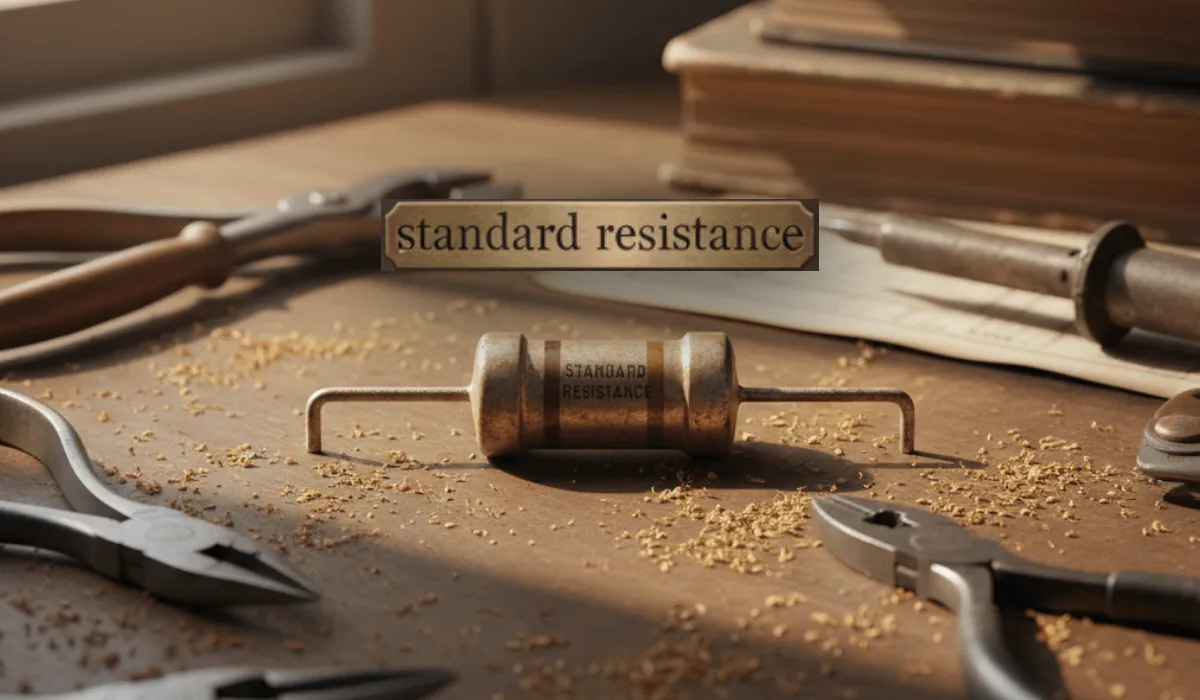
Resistance Boxes: Types, Applications, Accuracy Classes, Materials, and Technical Considerations
Introduction to Resistance Boxes
A resistance box, also known as a resistance decade box or standard resistance box, is a precision electrical instrument used to provide known, adjustable resistance values in an electrical circuit. By selecting combinations of accurately manufactured resistors, users can obtain a wide range of resistance values for testing, calibration, experimentation, and troubleshooting.
Resistance boxes have been used for more than a century and continue to be indispensable in educational institutions, industrial environments, calibration laboratories, research and development (R&D) centers, and metrology laboratories. Despite the availability of digital instruments and programmable electronic loads, resistance boxes remain popular because of their simplicity, reliability, traceability, and accuracy.
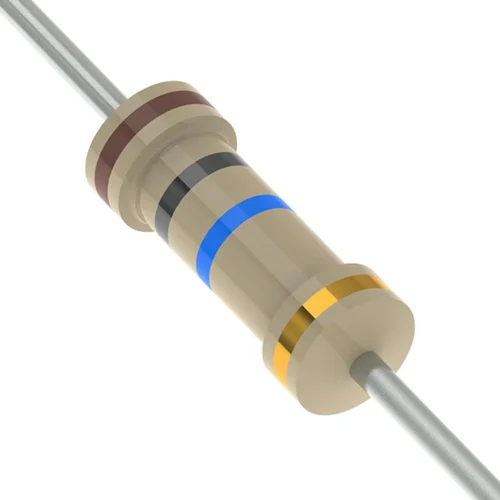
This article provides a comprehensive overview of resistance boxes, including:
- Types of resistance boxes
- Applications across different sectors
- Accuracy requirements and tolerance classes
- Materials used for resistive elements
- Temperature coefficient of resistance (TCR)
- Design considerations
- Calibration and maintenance
- Selection guidelines
What Is a Resistance Box?
A resistance box is a passive electrical instrument containing a set of precision resistors arranged in a way that allows the user to select discrete resistance values using rotary switches, toggle switches, or plug-in terminals.
The total resistance is obtained by adding resistors in series, typically arranged in decades (e.g., 1 Ω, 10 Ω, 100 Ω, 1 kΩ, etc.). The user can dial or switch in the desired value without physically changing components.
Types of Resistance Boxes
Resistance boxes can be broadly classified based on construction, accuracy, and intended application.
1. Standard Resistance Boxes
Overview
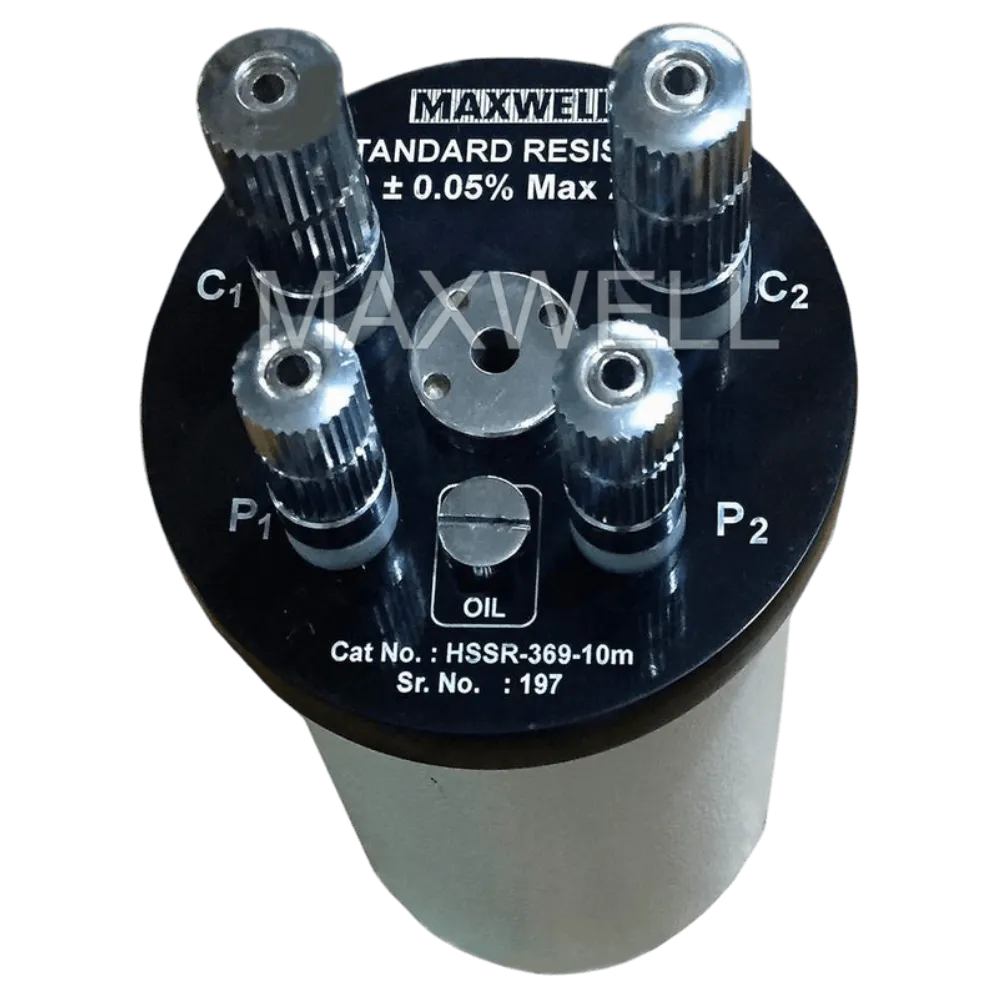
A standard resistance box is a high-precision instrument designed primarily for calibration, reference measurements, and metrology applications. These boxes use very low TCR resistors and offer extremely tight tolerances.
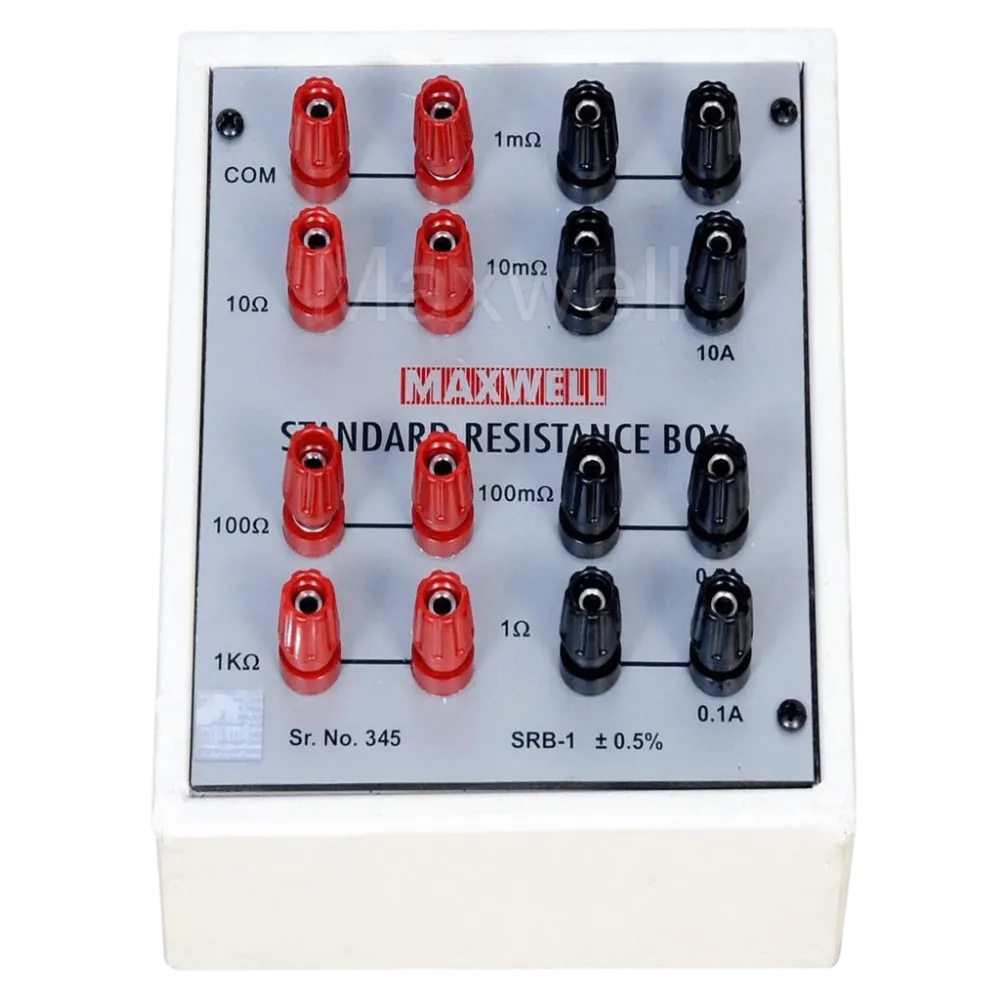
Key Characteristics
- Fixed, accurately known resistance values
- Very low tolerance (as low as ±0.05% or better)
- Low temperature coefficient
- High long-term stability
- Typically enclosed in thermally stable housings
Applications
- National and secondary standard laboratories
- Calibration laboratories (ISO/IEC 17025)
- Electrical metrology departments
- Verification of ohmmeters, micro-ohm meters, and bridges
Accuracy Levels
| Accuracy Class | Typical Tolerance |
|---|---|
| Ultra-precision | ± 0.001% to ± 0.005% |
| Precision | ± 0.01% |
| Laboratory grade | ± 0.02% to ± 0.05% |
| Industry | ± 0.1% to ± 0.5% |
Standard resistance boxes are usually calibrated against national standards and come with traceable calibration certificates.
2. Decade Resistance Boxes
Overview
A decade resistance box allows resistance values to be set in decimal steps, typically using rotary decade switches. Each switch represents one digit of the resistance value.
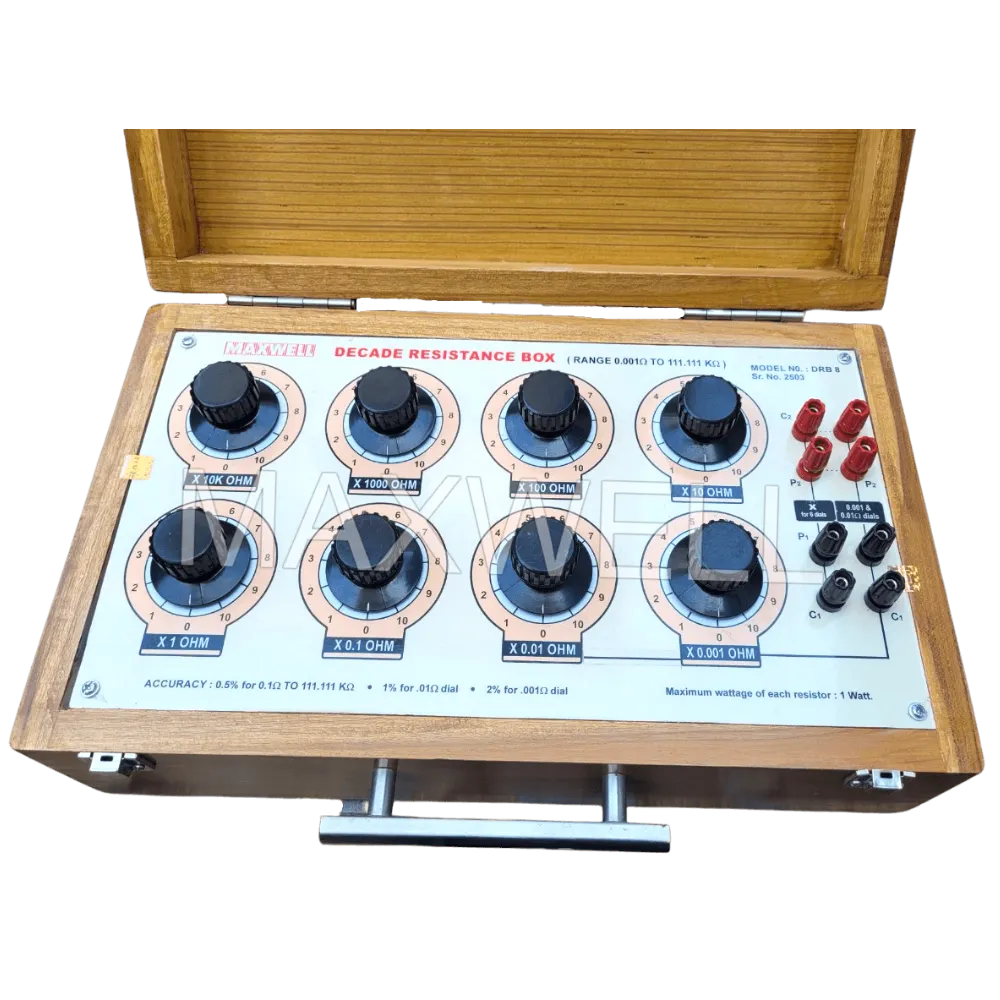
Example
A box with decades of:
- 1 Ω
- 10 Ω
- 100 Ω
- 1 kΩ
can generate any value from 0 Ω to 1111 Ω in 1 Ω steps.
Key Characteristics
- Flexible resistance selection
- Moderate to high accuracy
- Easy to use
- Available in portable and bench-top designs
Applications
- Educational laboratories
- Electronics workshops
- Industrial testing
- R&D labs
- Field testing and troubleshooting
Accuracy Levels
| Application | Typical Tolerance |
|---|---|
| Education | ±1% to ±0.5% |
| Industrial | ±0.2% to ±0.1% |
| R&D | ±0.05% to ±0.02% |
Decade resistance boxes are the most commonly used type due to their versatility and affordability.
Classification Based on Accuracy and Usage
Resistance boxes are often categorized by application-specific accuracy requirements.

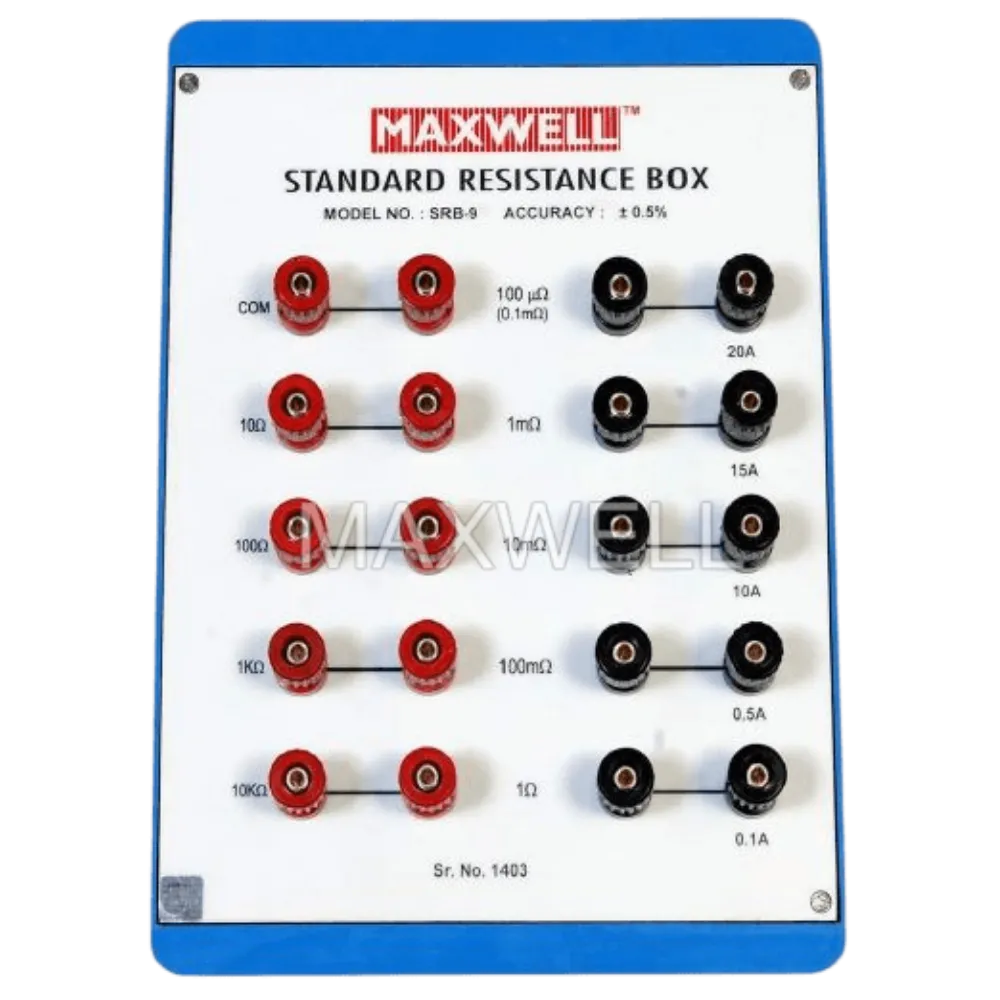
1. Educational Resistance Boxes
Requirements
- Cost-effective
- Moderate accuracy
- Robust construction
- Easy operation
Typical Specifications
- Resistance range: 1 Ω to 100 kΩ or 1 MΩ
- Accuracy: ±1% or ±0.5%
- TCR: ±100 to ±300 ppm/°C
Use Cases
- Physics and electrical engineering laboratories
- Demonstration of Ohm’s law
- Wheatstone bridge experiments
- Circuit analysis training
2. Industrial Resistance Boxes
Requirements
- Better accuracy than educational models
- Long-term stability
- Rugged design
Typical Specifications
- Resistance range: 0.1 Ω to 10 MΩ
- Accuracy: ±0.5% to ±0.1%
- TCR: ±25 to ±50 ppm/°C
Use Cases
- Testing of control panels
- PLC and sensor simulation
- Instrument verification
- Maintenance and quality control
3. R&D Laboratory Resistance Boxes
Requirements
- High precision resistance boxes
- Low noise
- Stable performance over temperature
Typical Specifications
- Resistance range: 0.01 Ω to 100 MΩ
- Accuracy: ±0.05% or better
- TCR: ±5 to ±10 ppm/°C
Use Cases
- Prototype development
- Sensor characterization
- Measurement uncertainty analysis
- Research instrumentation
4. Standard & Calibration Laboratory Resistance Boxes
Requirements
- Extremely high accuracy
- Traceability to national standards
- Ultra-low drift
Typical Specifications
- Resistance range: fixed or decade
- Accuracy: ±0.005% to ±0.001%
- TCR: ±1 to ±2 ppm/°C
Use Cases
- Calibration of ohmmeters
- Verification of bridges
- Reference resistance standards
Materials Used in Resistance Boxes
The performance of a resistance box depends heavily on the resistive material used.
1. Manganin
Properties
- Alloy of copper, manganese, and nickel (around 86% Cu, 12% Mn, 2% Ni)
- Very low temperature coefficient
- Excellent long-term stability
Typical Temperature coefficient of resistance (TCR)
- ±1 to ±5 ppm/°C
Applications
- Standard resistance boxes
- Precision decade boxes
- Calibration instruments
2. Constantan
Properties
- Copper-nickel alloy
- Good stability
- Slightly higher TCR than manganin
Typical TCR
- ±30 to ±50 ppm/°C
Applications
- Industrial resistance boxes
- Medium-precision instruments
3. Nichrome
Properties
- Nickel-chromium alloy
- High resistivity
- Good mechanical strength
Typical TCR
- ±80 to ±150 ppm/°C
Applications
- Educational resistance boxes
- High-power resistor networks
4. Metal Film Resistors
Properties
- Thin metal layer deposited on ceramic
- Compact size
- Low noise
Typical TCR
- ±15 to ±50 ppm/°C
Applications
- Modern decade resistance boxes
- Portable instruments
5. Wire-Wound Resistors
Properties
- Resistive wire wound on insulating core
- Excellent power handling
- Very stable
Typical TCR
- ±15 to ±25 ppm/°C
Applications
- Precision and standard resistance boxes
Temperature Coefficient of Resistance (TCR)
What Is TCR?
The temperature coefficient of resistance (TCR) indicates how much a resistor’s value changes with temperature. It is expressed in parts per million per degree Celsius (ppm/°C).
Importance in Resistance Boxes
- Directly affects measurement accuracy
- Critical for calibration and metrology
- Determines environmental sensitivity
Example
A resistor with:
- 1000 Ω
- TCR = 10 ppm/°C
will change by:
- 0.01 Ω per °C
In high-precision measurements, even this small change can be significant.
Design Considerations in Resistance Boxes
1. Contact Resistance
- Switches and terminals add resistance
- Kelvin (4-wire) terminals reduce errors
2. Power Rating
- Excess current causes heating
- Heating changes resistance value
3. Thermal Management
- Ventilation slots
- Metal enclosures
- Insulating materials
4. Mechanical Stability
- Rigid resistor mounting
- Shock-resistant construction
Calibration of Resistance Boxes
Calibration ensures the resistance box remains accurate and traceable.
Calibration Methods
- Comparison with standard resistors
- Wheatstone bridge methods
- Precision ohmmeters
Calibration Frequency
| Application | Frequency |
|---|---|
| Education | 1–2 years |
| Industry | 1 year |
| Calibration labs | 6–12 months |
Advantages of Resistance Boxes
- Simple operation
- No power supply required
- High reliability
- Wide resistance range
- Long service life
Limitations of Resistance Boxes
- Discrete resistance steps
- Limited automation
- Manual operation
- Size and weight for high-power models
How to Choose the Right Resistance Box
Consider the following:
- Required accuracy
- Resistance range
- Temperature stability
- Application environment
- Calibration requirements
Future Trends in Resistance Boxes
- Hybrid digital-manual designs
- Improved low-TCR materials. For example: Evanohm / Zeranin (Advanced Alloys) with TCR as low as ±0.2 to ±2 ppm/°C
- Compact portable standards
- Integration with automated test systems
Frequently Asked Questions (FAQs)
1. What is a resistance box?
A resistance box is a precision electrical instrument that provides known resistance values for testing, calibration, and experimentation by selecting internal resistors.
2. What is a decade resistance box?
A decade resistance box allows resistance selection in decimal steps using rotary or toggle switches, enabling flexible resistance combinations.
3. What is a standard resistance box?
A standard resistance box is a high-accuracy instrument used as a reference for calibration and metrology applications.
4. Why are resistance boxes used instead of fixed resistors?
Resistance boxes allow quick, repeatable, and adjustable resistance values without changing components.
5. Are resistance boxes passive instruments?
Yes, resistance boxes are passive devices and do not require an external power supply.
Accuracy & Performance
6. What accuracy levels are available in resistance boxes?
Accuracy typically ranges from ±1% for educational models to ±0.05% for calibration and standard laboratory models.
7. How does temperature affect a resistance box?
Temperature changes alter resistance values according to the temperature coefficient of resistance (TCR).
8. What is TCR in resistance boxes?
TCR (Temperature Coefficient of Resistance) indicates how much resistance changes per degree Celsius, expressed in ppm/°C.
9. What TCR is considered good for precision resistance boxes?
A TCR below ±10 ppm/°C is considered suitable for precision and calibration applications.
10. Can resistance boxes drift over time?
Yes, resistance values can drift due to aging, thermal stress, and mechanical wear, which is why periodic calibration is required.
Materials & Construction
11. What materials are used in resistance boxes?
Common materials include manganin, constantan, nichrome, metal film, and wire-wound resistors.
12. Why is manganin preferred in standard resistance boxes?
Manganin has a very low TCR and excellent long-term stability, making it ideal for precision measurements.
13. Are wire-wound resistors better than metal film resistors?
Wire-wound resistors offer better stability and power handling, while metal film resistors provide compact size and low noise.
14. What type of switches are used in resistance boxes?
Rotary decade switches, toggle switches, and plug-type selectors are commonly used.
15. Why is contact resistance important in resistance boxes?
Contact resistance can introduce measurement errors, especially in low-ohm applications.
Application-Specific
16. Where are resistance boxes used in education?
They are used in physics and electrical engineering labs for Ohm’s law, bridge circuits, and circuit analysis.
17. How are resistance boxes used in industry?
Industrial resistance boxes are used for instrument testing, sensor simulation, control panel verification, and maintenance.
18. Are resistance boxes used in R&D laboratories?
Yes, R&D labs use high-precision resistance boxes for prototype testing, sensor characterization, and experimental validation.
19. Why are resistance boxes important in calibration laboratories?
They serve as reference standards for calibrating ohmmeters, micro-ohm meters, and resistance bridges.
20. Can resistance boxes be used for low-resistance measurements?
Yes, specialized low-ohm resistance boxes with Kelvin terminals are used for micro-ohm and milli-ohm applications.
Calibration & Standards
21. How often should a resistance box be calibrated?
Calibration is typically done annually, while standard laboratory models may require calibration every 6–12 months.
22. Are resistance boxes traceable to national standards?
High-end resistance boxes can be calibrated with traceability to national and international standards.
23. Which standards apply to resistance box calibration?
Calibration is generally performed according to ISO/IEC 17025 guidelines and national metrology standards.
24. Can resistance boxes replace standard resistors in calibration?
For many applications, yes, but ultra-high-precision work may still require fixed standard resistors.
25. What instruments are used to calibrate resistance boxes?
Precision bridges, standard resistors, and high-accuracy digital ohmmeters are used.
Selection & Usage
26. How do I choose the right resistance box?
Consider required accuracy, resistance range, TCR, application environment, and calibration needs. For high accuracy choose manganin material based resistance box.
27. What resistance range is commonly available?
Resistance boxes typically range from milliohms to several megaohms.
28. Can resistance boxes handle high current?
Some models are designed for higher currents, but exceeding rated current causes heating and errors.
29. Are resistance boxes suitable for automated test systems?
Manual resistance boxes are limited, but some hybrid or programmable models can integrate with ATS setups.
30. What happens if a resistance box overheats?
Overheating changes resistance values and may permanently damage resistive elements.
Advanced
31. What is the difference between a resistance box and an electronic load?
A resistance box provides fixed resistance values, while an electronic load actively controls current or power.
32. Can resistance boxes be used for AC circuits?
Yes, within their rated voltage and frequency limits, though inductance must be considered.
33. Do resistance boxes introduce inductance or capacitance?
Wire-wound resistors can introduce small inductance, which may affect high-frequency applications.
34. What is a Kelvin terminal resistance box?
It is a resistance box with four-wire connections to eliminate lead and contact resistance errors.
35. Are digital resistance boxes replacing manual ones?
Digital resistance boxes are emerging, but manual resistance boxes remain preferred for simplicity, reliability, and traceability.
Conclusion
Resistance boxes continue to be fundamental instruments in electrical measurement and testing. From basic educational experiments to high-precision calibration laboratories, different types of resistance boxes serve specific needs based on accuracy, stability, and material selection.
Understanding the types, materials, temperature coefficients, and application-specific accuracy requirements allows users to select the right resistance box and achieve reliable, repeatable measurements.